News & Events


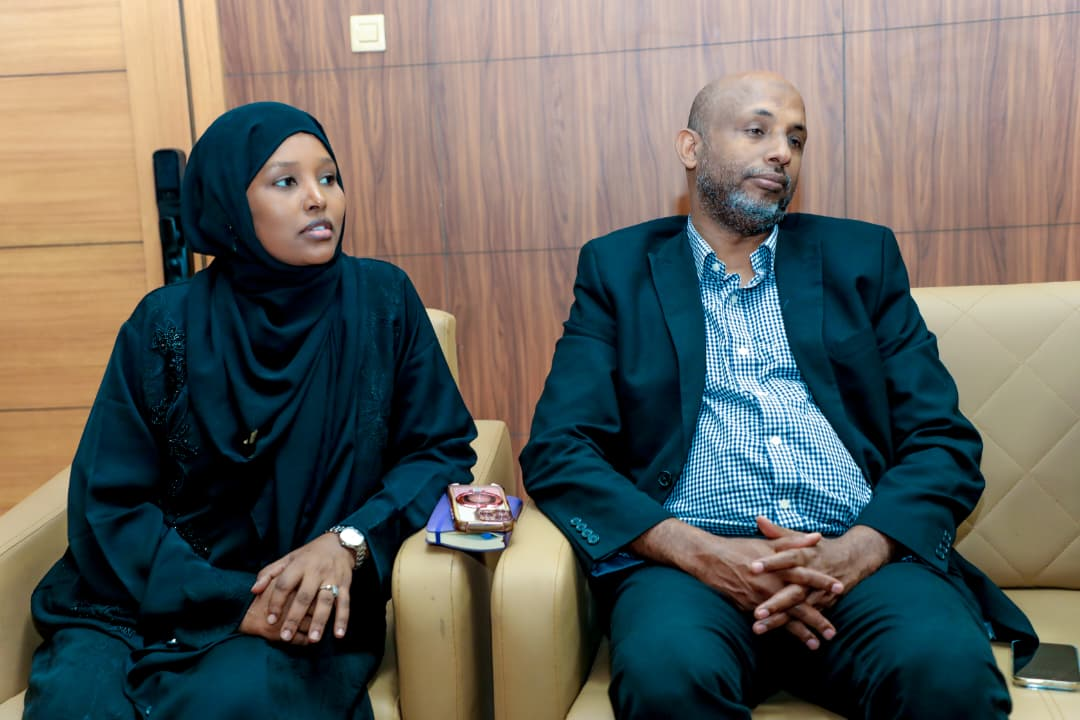
The National Leadership Academy (NLA) held a high-level strategic meeting with the Tubsan National Centre for Preventing and Countering Violent Extremism (TNC-PCVE) aimed at strengthening institutional collaboration and advancing shared national priorities. The meeting brought together senior representatives from both institutions to explore areas of mutual interest and lay the groundwork for long-term partnership.
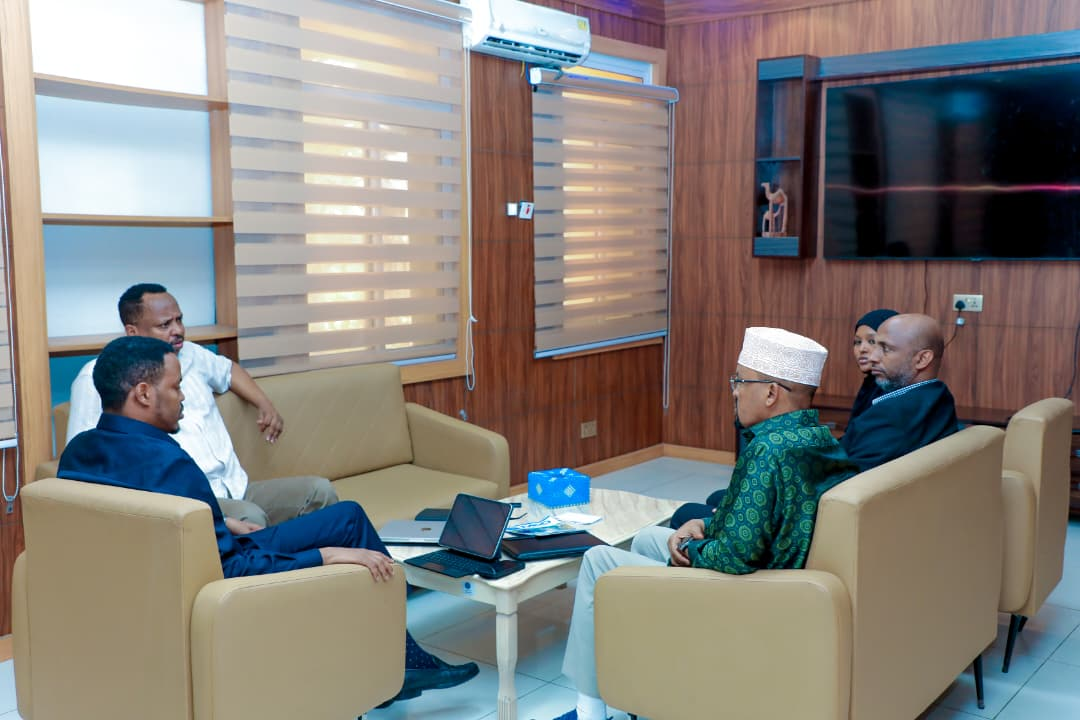
The primary objective of the engagement was to co-design and implement national leadership programs that empower Somali youth to actively participate in nation-building initiatives and contribute meaningfully to Somalia’s sustainable development. Recognizing the critical role of young people in shaping the country’s future, both institutions emphasized the importance of structured leadership development frameworks that promote critical thinking, civic engagement, and ethical responsibility.
During the discussions, participants explored concrete avenues for collaboration, including the development of joint research programs, curriculum enhancement, and knowledge-sharing initiatives.Particular attention was given to integrating themes such as national identity, unity, resilience, and civic responsibility into leadership training modules.
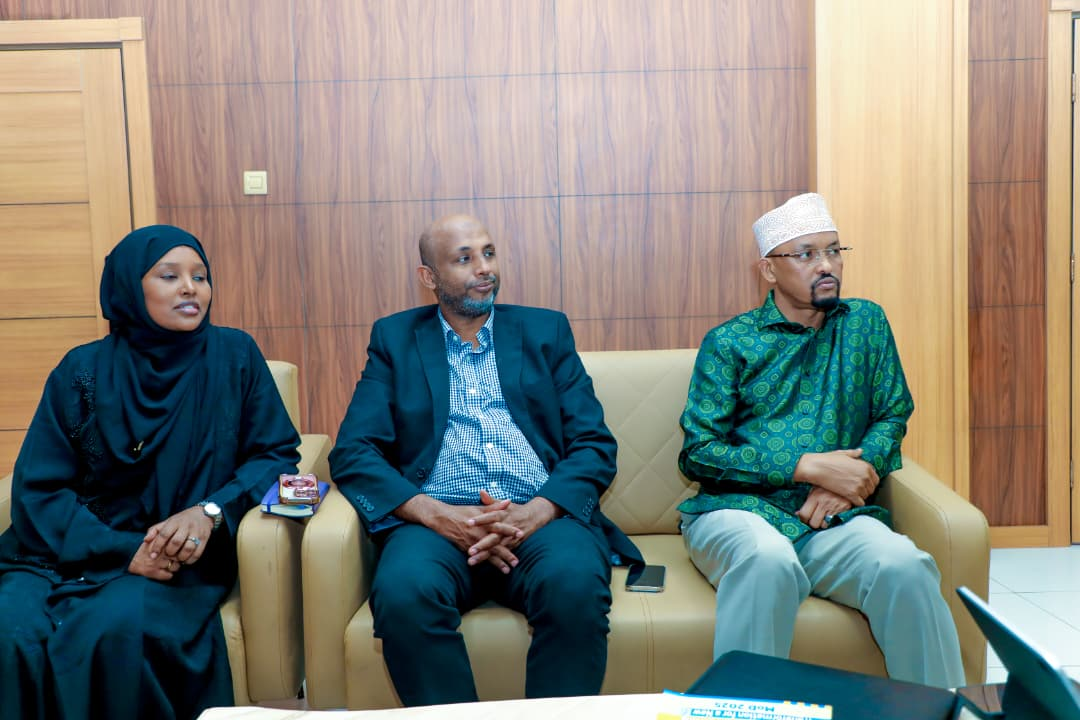
The meeting underscored the need to equip emerging leaders with both the intellectual tools and practical skills required to address complex social challenges, including the prevention of violent extremism.
In addition, both institutions acknowledged the importance of evidence-based programming and the value of combining academic expertise with policy-driven approaches. By aligning leadership education with national strategies on preventing and countering violent extremism, the partnership seeks to foster a generation of informed, engaged, and socially responsible leaders capable of strengthening community cohesion and promoting peace.
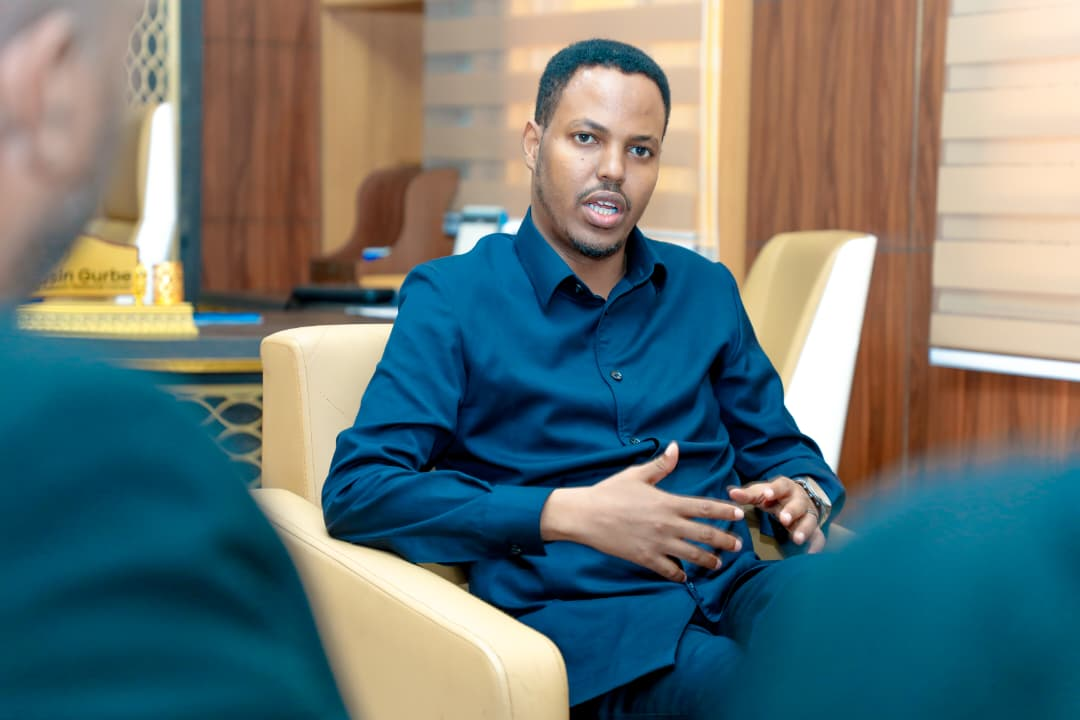
The engagement concluded with a shared commitment to formalize cooperation through structured programming, regular consultations, and coordinated implementation of joint initiatives. This partnership represents a significant step toward building resilient institutions and cultivating future leaders who are committed to unity, stability, and inclusive national development.


